
Aam Aadmi Party Internal Dispute: Does Party Infighting Affect Public Trust? AAP Power Struggle: Is Internal Infighting Damaging Public Trust?
A fresh internal dispute within the Aam Aadmi Party (AAP) has drawn national attention, with senior leaders openly expressing differences. What was once considered an internal matter has now become a public discussion, raising questions about unity within the party. For many voters, such conflicts create uncertainty about leadership and decision-making. While some see it as a sign of internal democracy, others believe it may weaken public confidence. As the situation unfolds, the key question remains—will this impact how people trust the party moving forward?
A recent disagreement within the Aam Aadmi Party (AAP) has sparked public discussion and media attention. With senior leader Raghav Chadha removed from a key role and openly responding, many people are now asking a simple question: Does internal conflict hurt a political party’s image?

What Is the Issue?

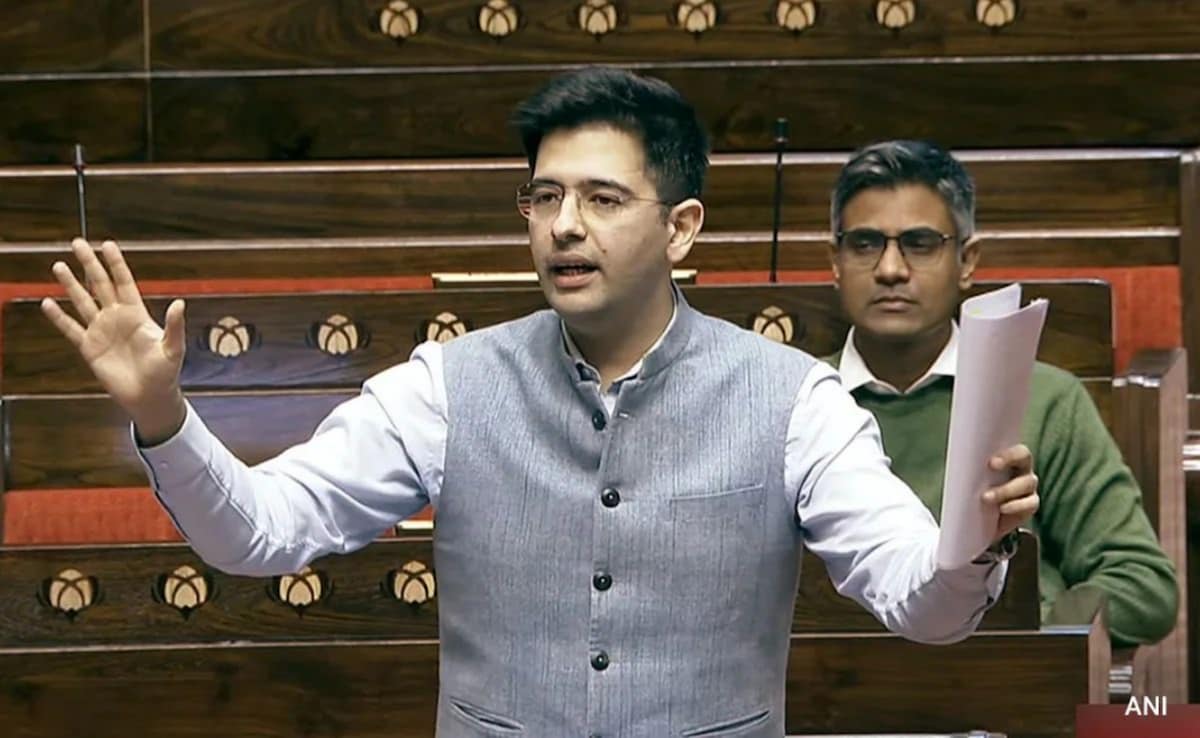
Raghav Chadha recently spoke out after losing his position as deputy leader in the Rajya Sabha. In a public message, he said that even if his voice is restricted, it should not be seen as weakness.
He claimed that he has always raised issues important to common citizens, including the following:
Rising costs and everyday expenses
Problems faced by delivery workers
Mobile recharge and telecom concerns
Food safety and public welfare
At the same time, some party leaders disagreed with him. They argued that he focused on smaller issues instead of major national concerns and questioned his approach.

This situation has turned into a public debate because leaders from the same party are openly criticising each other. When internal matters come out in public, it often creates strong reactions among voters.
How It Can Affect Public Image
1. Trust Issues
When leaders disagree openly, people may feel the party is not united.
2. Negative Attention
Media coverage of conflicts can shift focus away from real work and achievements.
3. Leadership Questions
Voters may wonder if the party can function smoothly with internal disagreements.
Or Is It Normal in Politics?
Not everyone sees this as a problem. Some believe:
Different opinions show internal democracy
Open discussion can improve decision-making
Transparency builds long-term trust
In large political parties, disagreements are quite common.
Final Thoughts
Internal conflict is not unusual in politics, but how it is handled makes a big difference. If managed well, it can show strength and openness. If not, it may harm public confidence.
The current situation within AAP is a clear example of how quickly internal issues can become a public topic. The impact on the party’s image will depend on what happens next.
About the Author
News Desk
A team of writers dedicated to sharing clear, simple, and reliable updates on current events, helping readers understand important topics without confusion.