



NASA Extends SpaceX Commercial Crew Deal With Additional Astronaut Missions
NASA took a wild turn with its commercial crew effort arguably the boldest move in its history. SpaceX showed this idea might actually fly. When the trial run succeeded in 2020, trips ferrying NASA crew into space started happening like clockwork. Things haven’t broken down, gear hasn’t failed, yet trust between them grows quieter each year. Though unspoken, results keep piling up mission after mission.
Here’s the tricky part. Built right into its foundation, the commercial crew effort counted on two separate companies stepping up not one alone. Way back in 2014, both Boeing and SpaceX landed deals. Instead of putting everything behind one team, missions would shift between them over time. Relying solely on any single provider? That risk NASA wanted to avoid.
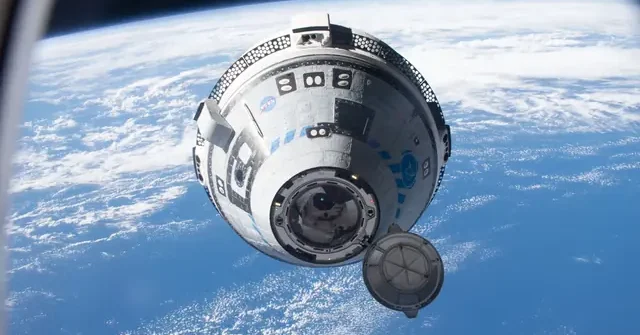
What began as Boeing’s promise for a backup ride turned rocky fast. Years slipped by, and plans stalled. A mission meant to prove readiness instead exposed flaws so glaring that NASA chose safety over schedule, sending the capsule back Earthward minus its team. With those hatches sealed shut on regular flights, approval stayed out of reach. Now only one company holds the keys to ferry crews up there. Space belongs to just one launcher today.
Backed by the need to keep reaching the space station without interruption, NASA moved to buy more trips from SpaceX. Five fresh launches labeled Crew 10 up to Crew 14 joined the roster in September 2022. These expanded an already active deal known as CCtCap. Now locked in are 14 full missions under that agreement. The financial weight of it all climbs close to five billion dollars.
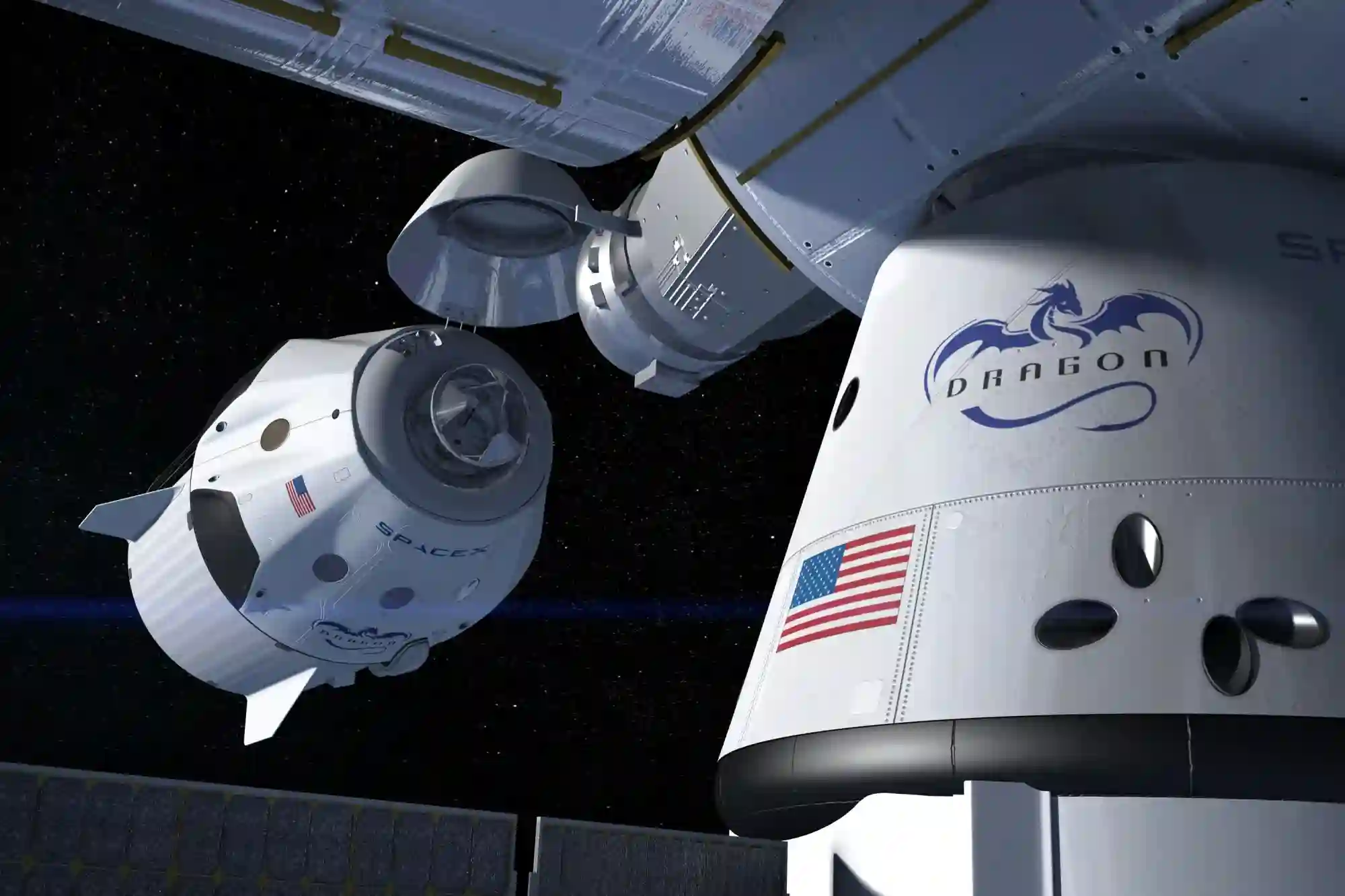
Image Source: SpaceX/NASA
What the New Missions Actually Include
One thing is clear right off these flights have real weight behind them. Not tentative test runs but solid contracts locking down every piece: ground handling, getting ready to fly, the journey up, days spent attached to the space station, plus what happens when astronauts come back. A key part often overlooked? The escape option built in. While docked, the Crew Dragon sits tight, always ready if trouble hits the orbiting lab. Trouble might mean leaks, system failures, or even fire having a ship primed to leave fast matters more than many admit. This kind of backup isn’t an afterthought; it shaped decisions long before today’s launches began. Missions stretch ahead until 2030, matching how far NASA now expects the outpost to keep working. One thing matters most: keeping U.S. spaceflights going, one after another, without gaps. With Starliner still up in the air, adding more trips made sense - it just needed doing.
SpaceX's Crew Dragon: NASA's Reliable Workhorse
These days, few doubt that SpaceX’s Crew Dragon stands out as the go-to ride for getting people into orbit. Off the coast of Florida, it lifts off aboard a Falcon 9 from Kennedy Space Center, ready to haul four astronauts per trip. Built tough for repeat trips, each capsule doesn’t retire after one flight. Instead, several have made return visits to space, flying again and again - this reuse cuts down expenses while smoothing out how quickly crews can launch. Over months and missions, the process gets sharper, leaner, quieter.A single mission usually matches one half year on the space station. When new astronauts reach orbit, they spend just days alongside those leaving. After that short handover, daily work begins in earnest. This pattern has become familiar ground for both organizations involved.Surprisingly, other countries are part of this too. While Japan’s astronaut took trips on Crew Dragon more than once, Europe and Canada sent their own people through SpaceX flights as well. Now it carries crew from many nations far beyond just American missions.
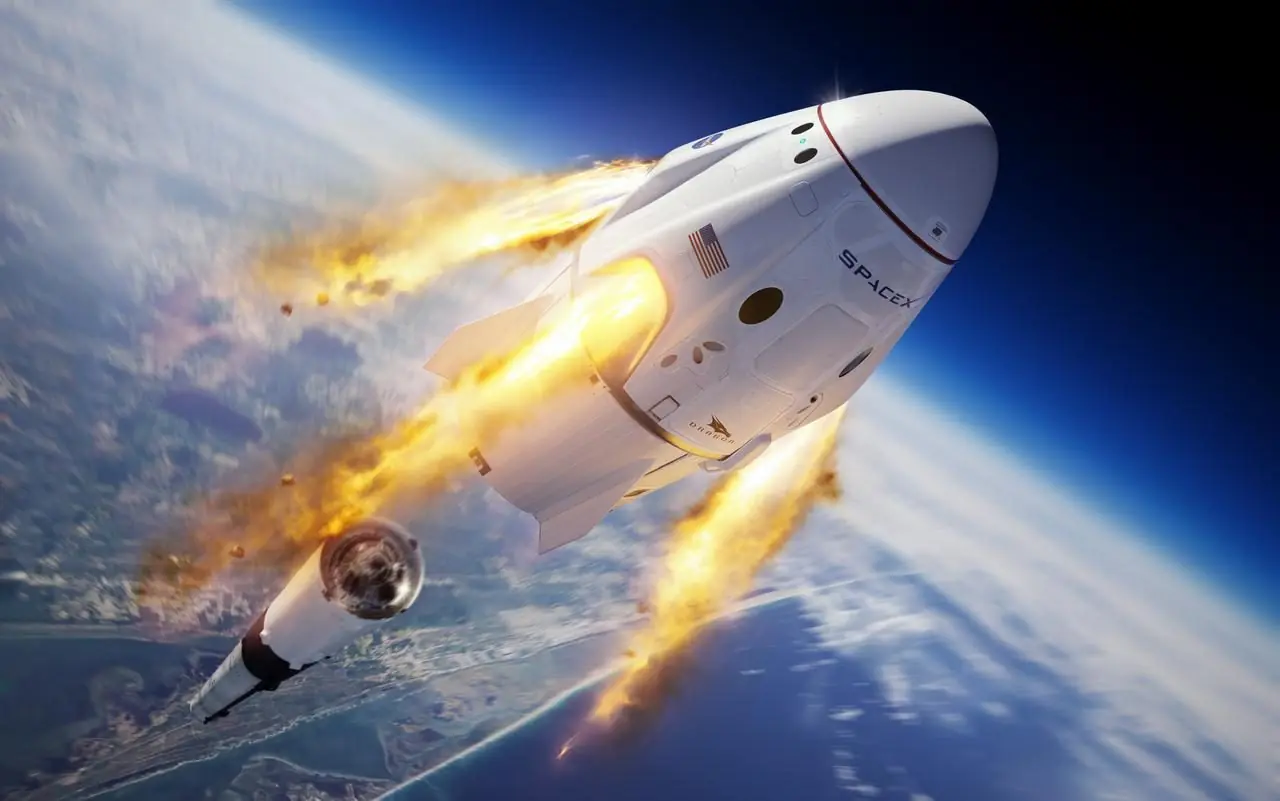
Image Source: SpaceX / NASA
The Boeing Situation And Why It Matters
Start anywhere, yet Boeing and SpaceX keep showing up side by side. Not twins, sure, but part of the same picture all along. Competition shaped the commercial crew effort from the start. Two suppliers in the mix that idea sticks around because NASA sees staying power in it.Still in the game, Boeing is now part of a revised timeline with NASA as of early 2026. Instead of carrying astronauts, Starliner 1 might launch without people on board, serving only to haul supplies. Success there opens the door slowly to sending crews later. Not at all how things were meant to unfold, yet movement remains possible down the road. For now, NASA wanted sureness. By booking extra flights with SpaceX, the agency made certain American access would continue without pause until the station’s expected end, no matter how other rockets or projects turned out.
Space Exploration After These Findings
Step back, suddenly the wider view makes sense. Not once was the real aim simply running the space station nonstop. Instead, it centered on creating steady human travel to low Earth orbit freeing up NASA to chase bolder paths beyond. Suddenly, priorities shift.After the Space Shuttle ended flights in 2011, getting American astronauts into space meant relying on others. Instead of launching from home soil, NASA paid for rides aboard Russia's Soyuz vehicles. Almost ten years passed like this costly, tricky to manage amid shifting diplomacy, and clearly no long-term answer. A shift came through a new model: teaming up with private companies to carry crews.Instead of building and running its own crew rides, NASA buys them from others. That shift lets the agency spend less cash and time on low Earth orbit trips. Because companies manage transport to the space station now. Attention turns toward deeper goals like Artemis. Long-term sights point past the Moon. Mars becomes part of the plan down the line.More SpaceX flights stretch the deal until the station's final days. That signal lands loud private partnerships deliver results, so NASA stays on course.
A New Chapter in American Spaceflight
Back then, nobody really thought a business could send people to orbit again and again using the same ship. Today, regular trips to the space station happen on time, cost much less, yet feel almost normal. Imagine paying less than government programs once did - this reality would’ve seemed too bold not long ago. What we see now wasn’t even a likely guess fifteen years behind us.Back in 2014, NASA revealed the initial CCtCap contracts. Scheduled to kick off by 2017, those first full missions never made that date. Problems along the way shifted all timelines forward. Yet once Crew Dragon launched in 2020, momentum built fast still going strong since.What this deal really shows? Trust placed firmly in SpaceX, in how private companies can operate, in the belief that America might actually get both low cost and high dependability in sending people to orbit. If your hope is for lasting human presence beyond Earth, then yes, this moment matters.